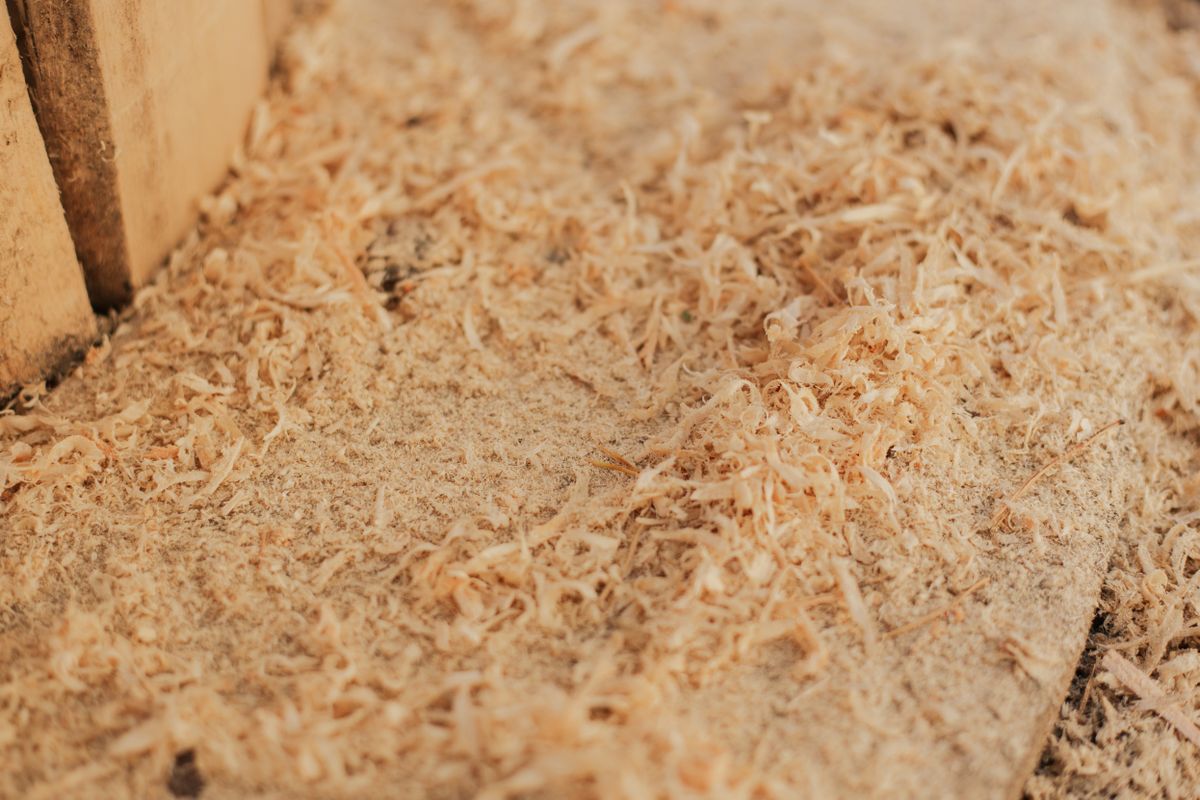
Sawdust is part of woodworking, but it should not end up in your lungs, your house or every corner of the garage. Fine dust from sanding and cutting can linger in the air long after you stop working. In a small shop with limited airflow, it builds up even faster. This guide explains small shop dust collection in plain terms, from a basic shop vacuum to air filtration, so you can work cleaner and healthier.
Two Kinds of Dust
- Chips and coarse dust: the visible shavings from saws and planers. Messy, but they settle quickly.
- Fine dust: tiny particles from sanding and cutting that float in the air and are easy to breathe in. This is the dust that matters most for your health.
A good setup handles both: capture dust at the tool, and clean the air that escapes.
Step 1: Start With a Shop Vacuum
For most beginners, a shop vacuum is the best first step. Connected directly to a sander, router or small saw, it captures dust right at the source.
- Choose a model with a fine-dust filter.
- Look for a hose adapter kit to fit different tool ports.
- An automatic tool-activated switch turns the vacuum on when the tool starts, which is very convenient.
Step 2: Add a Cyclone Separator
A cyclone separator sits between the tool and the vacuum, usually on top of a bucket. It spins most of the dust out into the bucket before it reaches the vacuum.
- Your vacuum filter stays clean much longer.
- Suction stays strong.
- Emptying a bucket is easier than changing filters and bags.
This is one of the most cost-effective upgrades for a small shop.
Step 3: Consider a Dust Collector for Bigger Tools
Tools like table saws, planers and jointers produce a large volume of chips. A shop vacuum struggles to keep up. A dedicated dust collector moves much more air through a wider hose. In a small shop, a compact single-stage collector on a mobile base can be rolled to whichever machine you are using.
Step 4: Clean the Air
Even good collection at the tool lets some fine dust escape. An air filtration unit hung from the ceiling pulls room air through filters and catches particles floating around. Run it while you work and for a while after you stop. A simple budget alternative some woodworkers use is a box fan with a furnace filter attached, though a purpose-built unit is more effective.
Step 5: Protect Yourself
Collection and filtration reduce dust, but they do not remove it all. Wear a properly fitted dust mask or respirator rated for fine particles whenever you sand or cut, especially in a small, enclosed space. Safety glasses keep chips out of your eyes.
Habits That Help
- Sand with the vacuum connected whenever possible.
- Sweep less and vacuum more. Sweeping throws fine dust back into the air.
- Empty the separator bucket before it gets full.
- Clean or replace filters regularly.
- Open a window or door for fresh air when the weather allows.
Dust and Fire Safety
Fine wood dust and finishing rags can be a fire risk. Keep the shop clean, empty dust containers regularly, and dispose of oily finishing rags properly by laying them flat to dry outdoors or storing them in a sealed metal container. Keep a fire extinguisher within reach.
A Simple Starter Setup
- Shop vacuum with a fine filter
- Cyclone separator on a bucket
- Hose adapters for your sander and saws
- A good dust mask or respirator
- An air filtration unit when your budget allows
Final Thoughts
You do not need an expensive ducted system to keep a small shop clean. Start with a shop vacuum and a cyclone separator, protect your lungs, and add an air cleaner as you grow. For a full plan covering dust, ventilation, heating, power and layout in tight spaces, see our review of The Ultimate Small Shop, and our small shop layout ideas for fitting everything in.
Leave a Reply